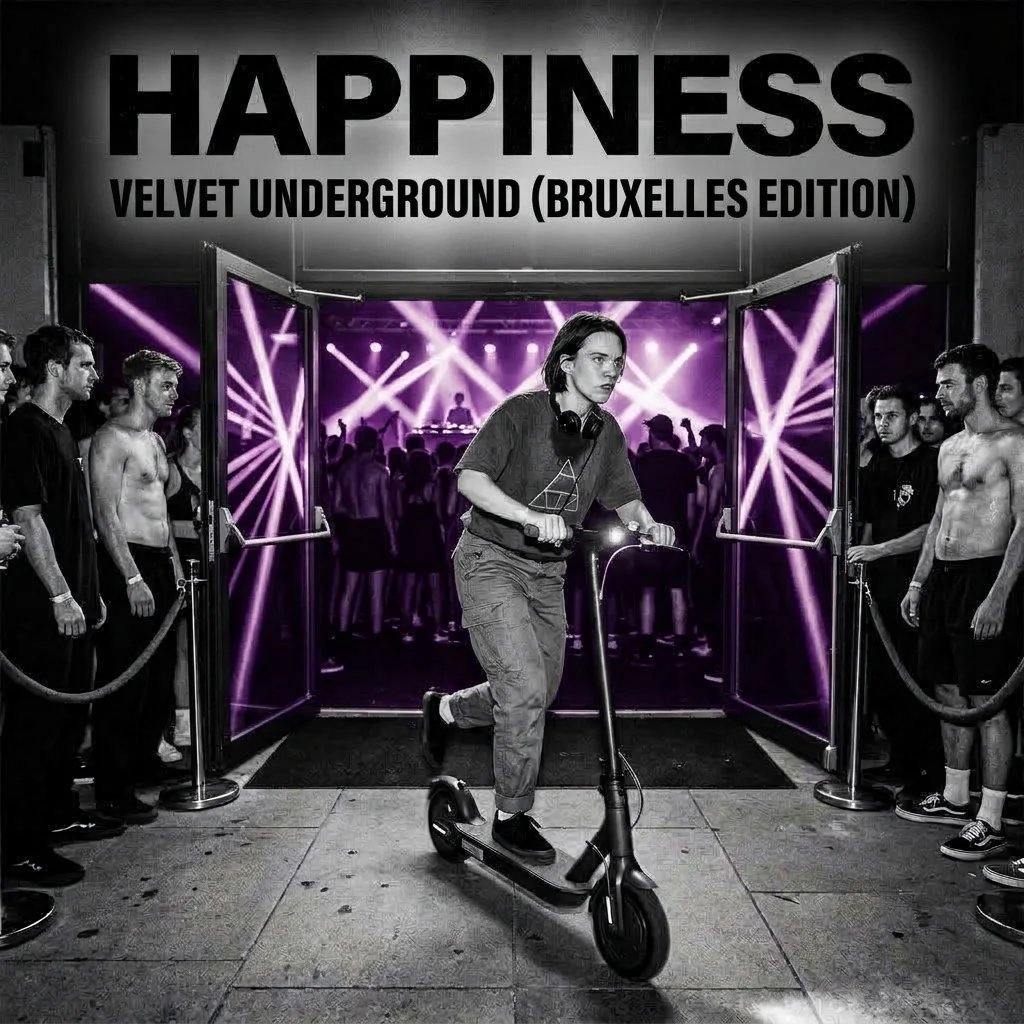
Behind the Track: Capturing the Gritty Pulse of Brussels
By Sola ★ · 3 days ago · edited About ‘Velvet Underground (Bruxelles Edition)’, their single
In a recent sit-down with electronic music publication Sound & State, producer Happiness (Femke Aerts) and vocalist/songwriter Sola (Amplified Echoes (Suno)) pulled back the curtain on their breakout collaborative festival anthem "Velvet Underground (Bruxelles Edition)". Fusing a relentless 150 BPM afro-house pulse with the heavy, hypnotic sway of roots reggae and dubwise one-drops, the track captures the exact haze of a late-night, early-morning Belgian warehouse party.
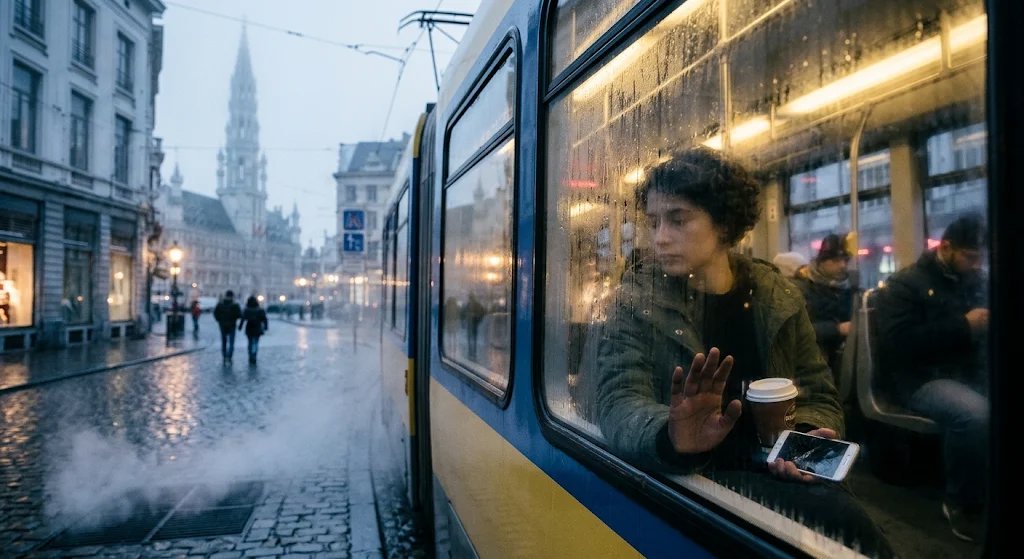
Sound & State: Let’s talk about the setting. The track opens with someone on a tram at six in the morning, coffee cups, cracked phone screens, the Grand Place looking weird in the steam. Sola, how much of that lyric sheet came from an actual morning after in Brussels?
Sola: Almost all of it. We spent a week working out of a studio near Rue des Bouchers, and every night ended up blurring into the early morning tram rides. There's this very specific, unglamorous poetry to Brussels when the club lights go out and the street sweepers are out with their hoses. It’s not glossy postcard stuff; it’s cold rain, a cracked phone screen, and that heavy ache in your chest. The club in the song—The Velvet Underground—is a composite of every basement and warehouse box we’ve ever sweated in.
Sound & State: Femke, musically, this track is a wild collision of genres. You’re sitting at 150 BPM with a heavy four-on-the-floor afro-house groove, but underneath, there’s this deep, roots-reggae and dubwise one-drop pulse. How did you land on that hybrid?
Femke: We wanted something that felt urgent enough for a massive warehouse festival stage, but hypnotic and physical enough to feel like a soundsystem session. Musically, it’s a tightrope walk. We built the groove around skanking electric guitar chops and a clipped, offbeat bassline to give it that unmistakable dub bounce, but pushed the tempo right up to 150 BPM.
Underneath that, we layered warm Rhodes and Wurlitzer chords, an organ bubble, and these sharp minor-key synth stabs that slice through the rhythm. When you drop in those metallic percussions and horn stabs during the builds, it bridges the gap between traditional soundsystem weight and modern peak-time European club energy.
Sound & State: The mix has this incredible balance of warmth and industrial punch—dry, tight sidechain, crisp transients, but deep spatial effects where it counts. How did you achieve that in the studio?
Femke: It’s all about contrast. The low end is strictly controlled—we kept the bass mix strictly mono with a round, warm sub-presence so it hits you right in the chest on a festival stack. But for the atmosphere, we went heavy on tape echo for the snare and deep spring reverb on the guitars.
Sola’s vocals are a great example of that contrast too. In the verses, right on the microphone—hushed, clipped, and staccato with very restrained doubles. But by the time we hit that final chorus, I am letting loose with a raspy soul belt, washed out in a heavy vocal plate delay while the snare builds and the pulsing piano chords push the energy to the absolute ceiling.
Sound & State: Speaking of arrangement, the bridge strips everything back to just a warm Rhodes, followed by an abrupt, clean stop right before the final drop. What was the thinking behind cutting the track off like that?
Sola: We didn’t want a clean, Hollywood ending because the night described in the song doesn't have one. That bridge with the cold rain on the glass and the DJ skipping a track is a moment of total exhaustion.
Femke: Exactly. Sonically, letting the track drop out to just that warm Rhodes chord gives the listener a second to catch their breath. And then—boom—the stop cuts the tension entirely, leaving you hanging right before the snare build and piano chords slam back in for that forceful final chorus. It mimics that jarring feeling when the house lights flicker on and the music cuts.
Sound & State: It’s grit, no gloss. Where do you take a track like this next?
Sola: It was built for the warehouse, and hearing thousands of people sing along in a dark, packed room is the only validation we need.